
Alcohol and Breastfeeding: Can We Finally Clear This Up?
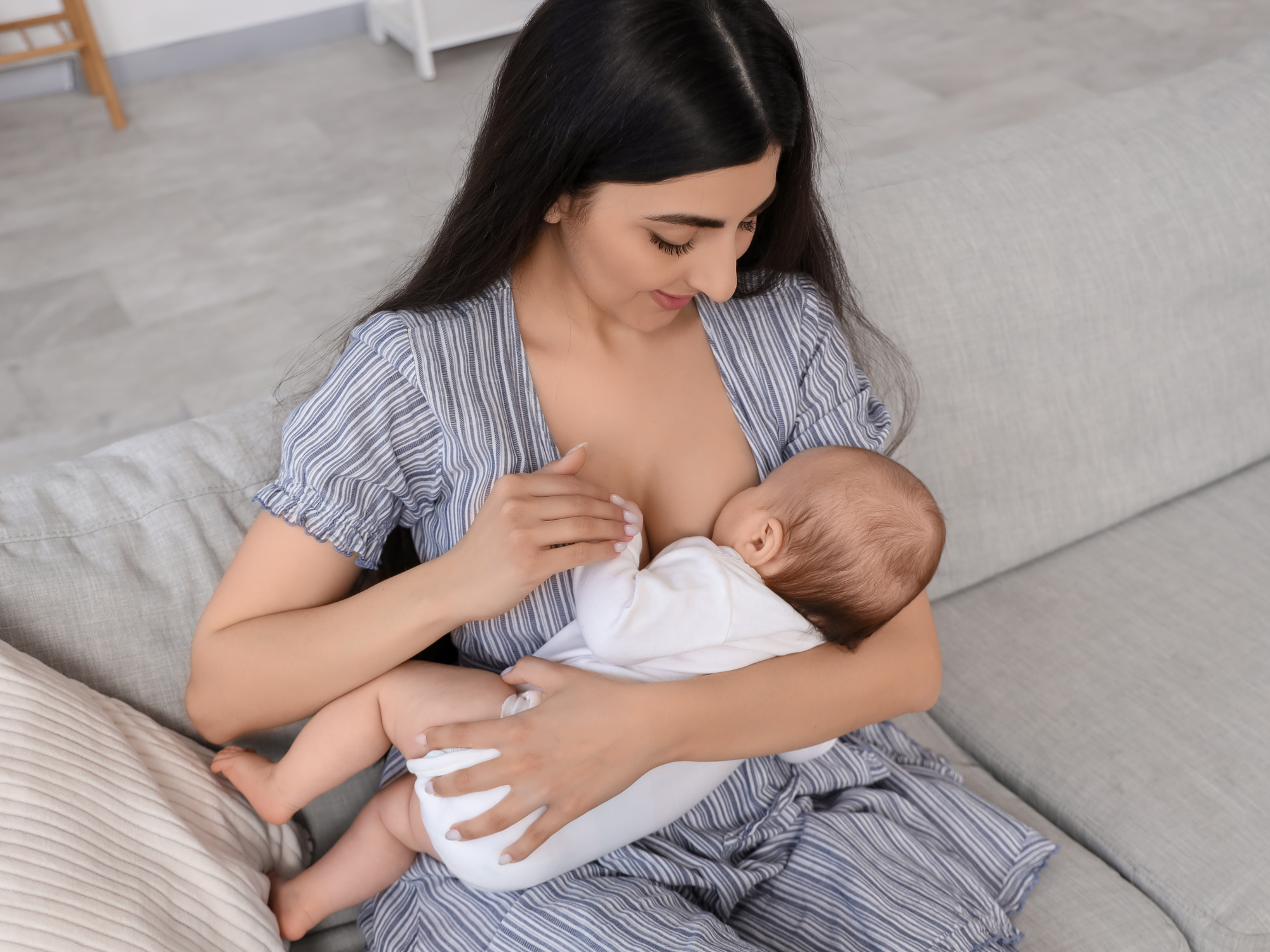
If you've ever been holding your baby in one arm and staring at a glass of wine in the other wondering, "Can I actually have this?" — you're not alone.
Let's separate fact from fiction and clear up what you really need to know about alcohol and breastfeeding.
Want to Learn More About Breastfeeding?
This read is best combined with our Boob Better: Breastfeeding 101 course
Between TikTok, Facebook groups, and well-meaning advice from family and friends, it's easy to get mixed messages about alcohol and breastfeeding.
After spending nine months avoiding alcohol during pregnancy, it's completely normal to wonder whether that celebratory drink is finally back on the table. If you've ever found yourself holding your baby in one arm and staring at a glass of wine in the other wondering, "Can I actually have this?" — you're not alone.
Let's separate fact from fiction.
1. Does Alcohol Actually Get Into Breast Milk?
Short answer? Yes.
Alcohol in breast milk closely mirrors the alcohol level in your bloodstream. In fact, breast milk typically contains about 95% of the alcohol concentration found in your blood.
So if alcohol is in your bloodstream, it's also in your breast milk.
That's why the safest option while breastfeeding is to avoid alcohol entirely. No alcohol in your bloodstream means no alcohol in your breast milk.
So... Does That Mean I Can Never Have A Drink?
Not necessarily.
Current health organizations such as the Centers for Disease Control and Prevention (CDC) state that one moderate alcoholic drink per day is not known to cause harm to a breastfeeding infant.
Before anyone starts pouring a giant Friday-night margarita, let's talk about what "moderate" actually means:
ONE glass of wine
ONE beer
ONE serving of liquor
That's it.
Not a double. Not a fishbowl cocktail. Not "I stopped measuring after the second pour."
One standard drink.
2. Timing Matters More Than Most People Realize
If you choose to have a drink while breastfeeding, timing can make a big difference.
Alcohol levels in breast milk rise and fall alongside alcohol levels in your bloodstream. As your body processes the alcohol, the amount in your milk decreases too.
Generally, it takes about two hours for your body to metabolize one standard alcoholic drink. That's why the recommendation is to wait at least two hours after one drink before breastfeeding.
A simple tip? Feed baby first, then have your drink. That gives your body the biggest possible window before baby's next feeding.
3. Can We Finally Retire The Pump-and-Dump Myth?
This one has been hanging around for far too long. Many moms believe pumping and dumping gets alcohol out of breast milk faster. I hate to be the one to break it to you, Mama, but it doesn't.
Pumping and dumping does NOT remove alcohol from breast milk faster.
Alcohol leaves breast milk only as it leaves your bloodstream over time. The only thing doing the work here is time.
That said, pumping can still be useful if you're uncomfortable, feeling overly full, or trying to maintain your milk supply while waiting for the alcohol to clear your system.
Just don't save that milk for baby.
A Few Things Worth Keeping In Mind
Not all babies process alcohol the same way.
Some breastfeeding experts recommend waiting until your baby is around eight weeks old before consuming alcohol because younger infants metabolize alcohol more slowly than older babies.
It's also worth remembering that everybody's body is different. Things like body size, food intake, and individual metabolism can all affect how quickly alcohol leaves your system.
Which is why comparing yourself to your friend who says, "I was totally fine after an hour" isn't exactly a scientific study.
The Bottom Line
If you're skimming this while contact napping, here's your screenshot section:
The safest option while breastfeeding is to avoid alcohol entirely.
Alcohol in breast milk reflects the alcohol level in your bloodstream.
One moderate alcoholic drink per day is not known to cause harm according to current health guidelines.
Wait at least two hours after one drink before breastfeeding.
Pumping and dumping does NOT remove alcohol from breast milk faster.
Pumping can still help relieve engorgement and protect your milk supply if you miss a feeding.
Alcohol and breastfeeding is one of those topics where everyone seems to have an opinion. Understanding how alcohol affects breast milk—and knowing what's fact versus fiction—can help you make informed decisions that feel right for you and your family.
Motherhood comes with enough conflicting advice already. My goal is to help cut through the noise with accurate, evidence-based information you can trust.
You've got this, Mama. And when in doubt, come back to the facts.
P.S. Parenthood is serious enough. The Preggo Buddies collection was created to add a little fun, comfort, and laughter to the journey.
