
Birth Plan Must-Haves (From a Mama Who’s Been There)
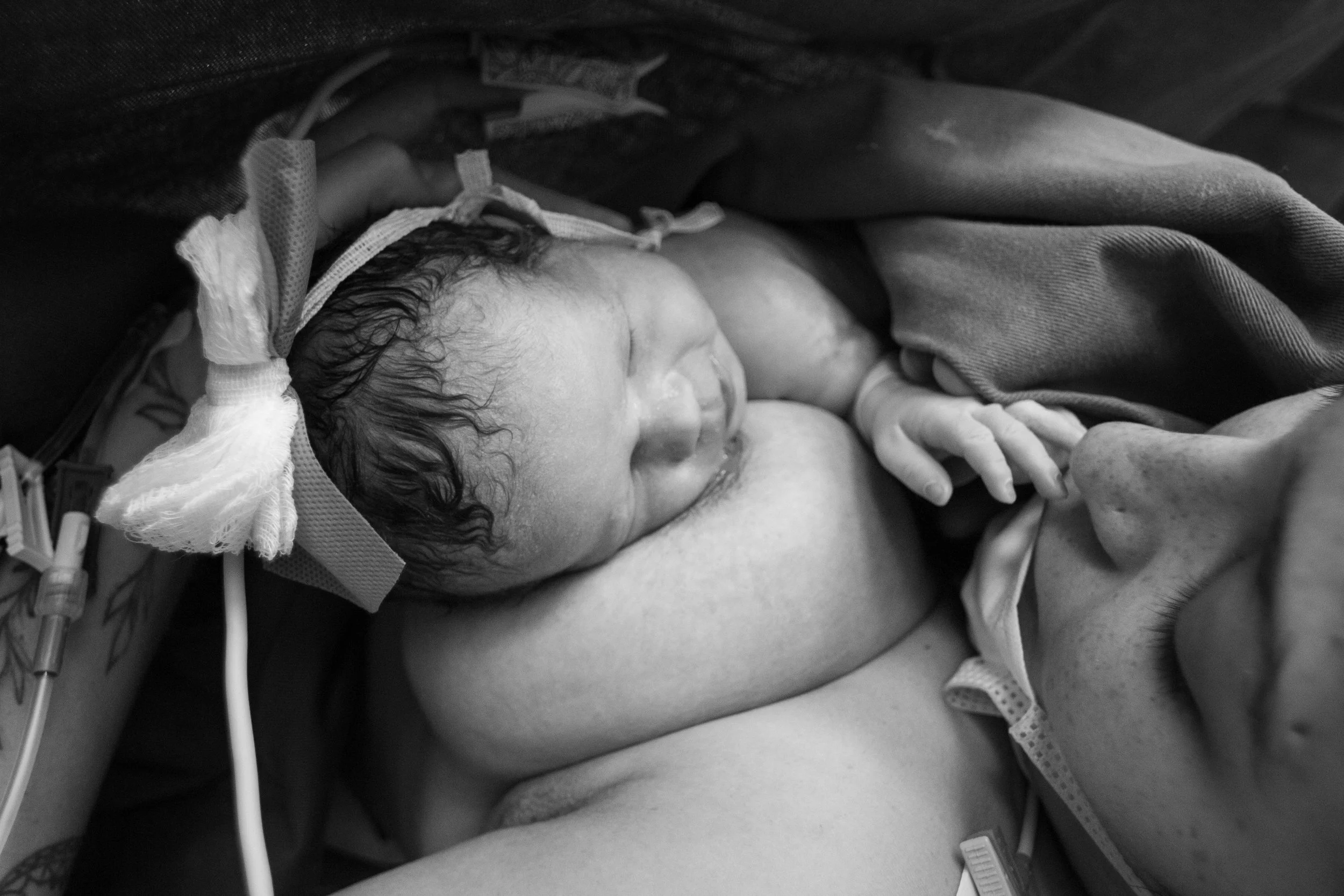
I’m not currently pregnant…but if I were planning a birth in 2026, there are a few things I would absolutely have on my birth plan.
Here’s what would make my list.
Now listen—I’m a little particular. But I also know birth has to be firmly flexible. It’s one of the least predictable experiences out there. So while these wouldn’t be rigid “must happen no matter what” demands, they are things I would strongly advocate for—unless safety said otherwise.
Delayed cord clamping (with flexibility)
This is one of those “almost non-negotiables” for me.
Delayed cord clamping means waiting a short period after birth before clamping and cutting the umbilical cord. That extra time allows blood from the placenta and cord to return to your baby.
Why does that matter?
It increases iron stores, boosts hemoglobin levels, and supports a smoother transition to life outside the womb. For preterm babies, it can even reduce the risk of complications like blood transfusions and certain intestinal or brain issues.
That said—timing isn’t one-size-fits-all. Different organizations recommend slightly different windows, so this is something to discuss with your provider ahead of time.
And here’s where the flexibility comes in: if baby needs immediate support or I’m not stable, this goes on the back burner. Safety always wins.
Also worth knowing—there’s a slightly increased risk of jaundice, but it’s typically manageable with proper monitoring and access to phototherapy.
Immediate, uninterrupted skin-to-skin
Notice I said immediate and uninterrupted.
Skin-to-skin is one of the most powerful things you can do after birth. It helps regulate your baby’s temperature, heart rate, and breathing. It supports blood sugar stability, reduces crying, and encourages better sleep and feeding patterns.
It also makes breastfeeding easier to initiate—because your baby is right there, cueing and ready.
And for you? That oxytocin boost supports bonding, stress regulation, and recovery.
Here’s something a lot of people don’t realize: most routine checks—baby vitals, your vitals, medications—can be done while you’re skin-to-skin. There’s very little reason to interrupt that first hour unless there’s a medical concern.
And if for some reason I couldn’t do skin-to-skin? My partner would be next in line. Those benefits still matter.
Limited visitors (and I mean it)
This one? Fully non-negotiable.
I’ve done both ends of the spectrum—room full of visitors with my first, and much more controlled with my last—and I would absolutely choose limited visitors again.
Right after birth, there is a lot happening. You’re recovering, bonding, learning to feed your baby, and being assessed frequently. There are physical checks, bleeding assessments, vital signs, newborn care—it’s not exactly a calm, private spa day.
Now add a room full of people watching.
It can delay care, make you uncomfortable, and honestly interfere with things like breastfeeding. Not to mention the pressure to “host” when you should be resting.
And let’s not forget—newborn immune systems are brand new. Sick visitors are a hard no.
If you love your people, schedule visits intentionally. And set expectations: if they’re coming, they’re helping. Food, laundry, bottles—something useful.
Intermittent fetal monitoring (when appropriate)
This one surprises a lot of people.
For low-risk pregnancies in spontaneous labor, intermittent monitoring is often recommended over continuous monitoring.
That means your nurse comes in at set intervals to listen to baby’s heart rate—checking baseline, variability, and any changes.
Why would I want that?
Mobility.
Even with long cords or wireless monitors, being continuously hooked up can feel restrictive. Intermittent monitoring gives you more freedom to move, change positions, and labor in a way that feels right for your body.
It also tends to increase hands-on support—because your nurse is physically coming in to assess baby rather than watching a monitor at a desk.
There’s also evidence suggesting it may reduce rates of certain interventions, including c-sections, in appropriate cases.
That said—if anything looks concerning, I want to move to continuous monitoring immediately. No hesitation.
Clear, consistent communication
This is my true non-negotiable.
I need to know what’s happening.
Lack of communication during birth is one of the biggest contributors to perceived birth trauma. Even when things are medically necessary, feeling out of the loop can make the experience feel like it happened to you instead of with you.
So for me, it’s simple: talk to me.
Tell me what’s happening. Tell me what’s changing. Tell me what you’re concerned about. Tell me what you’re doing next.
Especially in unexpected moments—heart rate drops, blood pressure changes, bleeding—those are the times communication matters most.
It takes seconds, and it can completely change how someone processes their birth experience afterward.
Final thoughts
These are the things that would be on my birth plan—but your birth plan should reflect you, your pregnancy, and your comfort level.
Birth isn’t about controlling every outcome. It’s about preparing, understanding your options, and feeling supported and informed as things unfold.
If you want help actually writing your birth plan, that’s something I walk through in my prenatal course, Be Confident: Your Prenatal Essentials—it breaks everything down in a way that makes you feel prepared without overwhelmed.
