
7 Postpartum Body Changes No One Talks About (But Really Should)
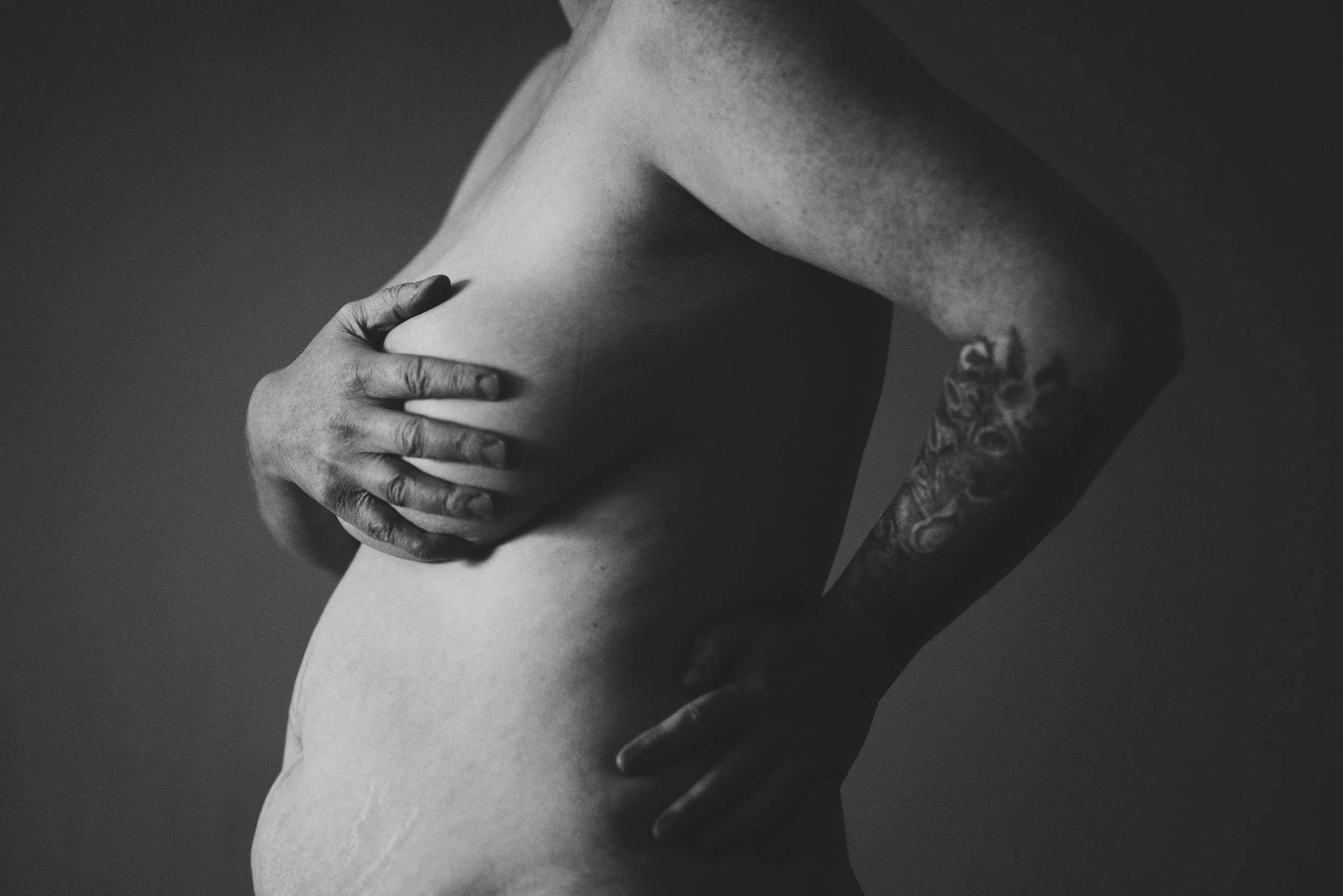
Let’s do what a lot of people won’t do — let’s talk honestly about what your body may go through after you have a baby.
I love pregnancy. Truly. I’ve done it four times and would do it again in a heartbeat. I also love the newborn phase — the snuggles, the chaos, all of it. But loving pregnancy and babies doesn’t mean we get to skip over the fact that some really intense, unexpected things happen to your body once that baby is earthside.
Let’s get into it.
Most of what we hear is the soft, flowery “you just had a baby” version. This is the here’s what actually happens version.
1. You Might Smell… Different
Let’s start down below.
After birth, you’ll experience lochia, which is postpartum bleeding that happens regardless of whether you had a vaginal birth or a C-section. While many people expect it to feel like a heavy period, what often catches them off guard is the smell.
Lochia is a mix of blood, uterine lining, leftover tissue, and fluid. Many people describe the scent as earthy or metallic — like houseplants and pennies had a baby. It’s not a bad smell, just… different.
Important notes:
A fishy, foul, or offensive odor is not normal and should be checked by your provider.
Do not try to “wash it away” with harsh soaps or cleansers. That can irritate tissue and increase infection risk.
Stick to gentle care: peri bottle rinses, frequent pad changes, and time.
Every leaf. Every penny. It will pass.
2. Postpartum BO Is a Thing
Yes, body odor can make a comeback — and no, you’re not doing anything wrong.
Postpartum hormones are shifting fast and dramatically, and that can absolutely change how you smell. Add in sweating, healing, milk production, limited showers, and heightened sense of smell… and suddenly you’re wondering if puberty made a return appearance.
A few things to remember:
You might smell stronger to yourself than others notice.
Sweating more can contribute.
Pads + lochia + heat = extra funk.
If you’re choosing between sleep, food, or a shower — choosing sleep is valid.
3. Night Sweats (Yes, Really)
Postpartum night sweats deserve their own warning label.
Many people wake up drenched — like someone dumped a bucket of water on them in the middle of the night. This happens due to:
Massive hormonal shifts
Fluid changes after birth
Your body recalibrating after pregnancy
What can help:
Breathable or moisture-wicking pajamas
Sleeping on a washable pad or waterproof liner
Keeping spare clothes nearby
These usually fade within a few weeks, but wow… they can be intense while they last.
4. The Pain Isn’t Over Yet (Hello, After Pains)
Labor contractions may be done, but after pains are stepping into the ring.
After pains happen as your uterus contracts and shrinks back down to its pre-pregnancy size — a process called involution. They often feel like strong menstrual cramps and can be especially noticeable:
If you’ve had multiple babies
While breastfeeding (thanks, oxytocin)
Relief options include:
Heating pads on the abdomen
Ibuprofen (if approved by your provider)
They’re unpleasant, but they’re also a sign your body is doing important healing work.
5. Engorgement: When Boobs Choose Violence
If you’ve ever wished for bigger boobs… postpartum might surprise you.
When your baby cluster feeds early on, they’re signaling your body to increase milk production. Sometimes your body hears that message loud and clear — and sends way more milk than needed.
Engorgement can make breasts feel:
Rock hard
Heavy and painful
Veiny and swollen
What helps:
Remove just enough milk for comfort
Avoid fully emptying unless needed
Warm showers for relief
Supportive bras and cold packs for swelling
Your supply usually regulates with time, but those early days can be a lot.
6. A Decreased Sex Drive Is Very Normal
That six-week postpartum appointment often comes with expectations — especially from partners — but here’s the truth:
A lower libido after birth is incredibly common.
Why?
Estrogen and progesterone drop sharply
Vaginal dryness increases
Perineal healing may still be happening
Exhaustion is real
Emotional shifts and resentment can exist
Add it all together and suddenly sex feels… very optional.
There is no rush. Waiting until you feel ready is best for your body and your mind.
7. Postpartum Hair Loss Can Be Brutal
Postpartum hair loss is one of the most distressing changes for many new parents.
During pregnancy, high estrogen levels keep hair in the growth phase. After birth, estrogen drops — and all that “extra” hair sheds. Dermatologists call this normal hair shedding, not true hair loss.
What to know:
Shedding often peaks around 3–4 months postpartum
It usually improves by baby’s first birthday
There’s no miracle fix (despite marketing claims)
Be cautious of products promising instant regrowth — and know you’re not alone. Some hair returns, some doesn’t, and that’s okay too.
Postpartum is beautiful — and messy, sweaty, smelly, painful, emotional, and powerful.
Your body just did something extraordinary. These changes don’t mean anything is wrong — they mean healing is happening.
