
Let's Get Real About Newborn Sleep
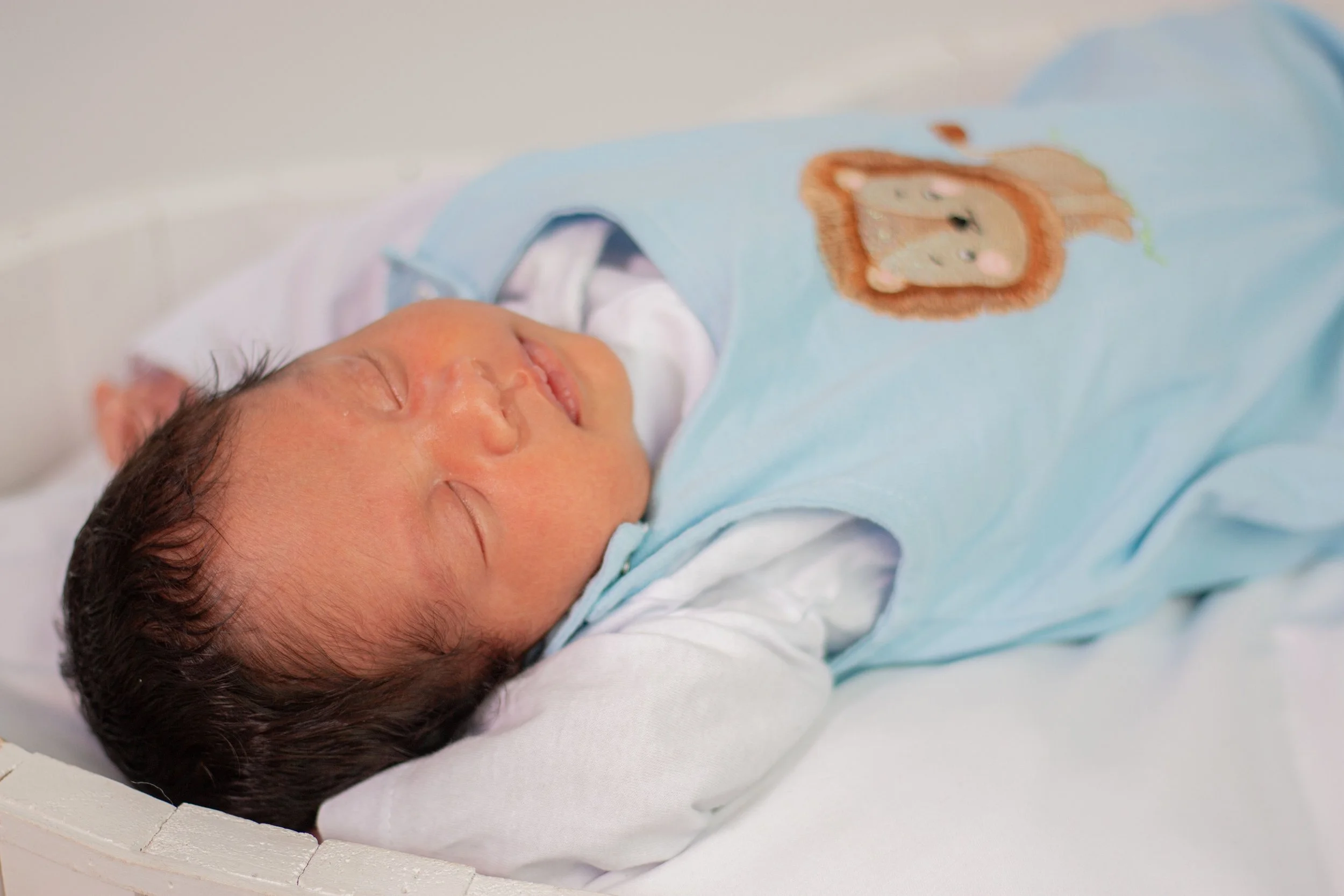
Newborn sleep can feel confusing, especially when everyone has an opinion. As a labor and delivery nurse and mom of four, I'm sharing the evidence-based advice I give new parents every day, so you can feel more confident and a little less overwhelmed.
You've Got This...And I've Got You.
Becoming a parent doesn't come with a manual, but it helps to have an L&D nurse in your corner. My Newborn Care 101 course is filled with practical tips, real-life advice, and the confidence every new parent deserves.
If I had a dollar for every piece of sleep advice new parents get, I'd probably be writing this from a beach somewhere.
Somewhere between the advice from family, friends, social media, and Google, it's easy to feel like you're doing something wrong.
Here's the good news: you're probably not.
As a labor and delivery nurse and mom of four, I'm a science girlie. So let's clear up some of the biggest myths about newborn sleep and talk about what the evidence actually says.
Safe Sleep Comes First
Before we talk about sleeping through the night, let's talk about sleeping safely.
You'll probably come across articles talking about "safe" co-sleeping, but both the American Academy of Pediatrics (AAP) and Health Canada recommend that babies sleep in their own sleep space. Now listen, I'm sure many parents have accidentally dozed off while feeding their baby. Those newborn days are exhausting! What I'm saying is don't intentionally plan to co-sleep.
The safest place for your baby is in their own crib or bassinet with a firm, flat mattress. Keep that sleep space in the same room as you for at least the first six months, but not in the same bed.
And yes, back is still best.
I know Meemaw might tell you babies slept on their tummies "back in the day," but newborns have tiny neck muscles and big, heavy heads. Sleeping on their back gives them the safest chance to keep their airway clear.
When it comes to what's inside the crib, less is more. A firm mattress and one fitted sheet are all you need. Skip the pillows, blankets, stuffed animals, crib bumpers, and loveys. They may look cute, but they can become suffocation hazards. If your baby needs an extra layer, choose a properly fitted sleep sack instead. A good rule of thumb is one more layer than you're comfortable wearing. We don't want babies overheating—not a fleece sleeper, a sleep sack, a hat, scratch mitts, and three blankets. One extra layer is plenty.
The AAP also recommends breastfeeding when possible, offering a pacifier at naps and bedtime, avoiding smoke exposure, and making sure anyone caring for your baby isn't under the influence of alcohol or sedating substances. Small steps like these can help create the safest sleep environment possible.
What Normal Newborn Sleep Really Looks Like
Now let's get to the question I know you're really here for:
When will my baby sleep through the night?
Oh, how I wish I had a big ol' crystal ball for this one.
Newborn sleep can be unpredictable. During the first few months, it's completely normal for babies to wake frequently to feed, although some may occasionally sleep for longer stretches. As they grow, their sleep patterns gradually become more organized as their internal body clock develops.
Around three months, babies begin developing the ability to sleep for longer stretches, but many still don't get the memo—and that's completely okay. It's not something we should be pushing hard before it's developmentally appropriate.
It's also important to remember that "sleeping through the night" doesn't mean the same thing for every baby. For a younger baby, it may be a five- or six-hour stretch of uninterrupted sleep. For an older child, it might mean sleeping from bedtime until morning.
Something I always remind parents is that everyone wakes during the night—even adults. The difference is that we've learned how to settle ourselves back to sleep. That's a skill your baby will develop over time, so don't put pressure on yourself or your little one to master it overnight.
One of the best things you can do is create a simple, consistent bedtime routine. A warm bath, a bedtime story, soft music, a little baby massage with the same lotion each night, and a dark room can all become cues that it's time to wind down. Children thrive on routine.
And don't forget—daytime is playtime. Talk to your baby, sing songs, read books, and let them explore the world around them. Those daytime experiences help build healthy sleep habits over time.
Should I Wake My Baby to Feed?
Here's where the advice, "Never wake a sleeping baby," isn't always true.
If your baby is very young, like two weeks old, or hasn't regained their birth weight yet, or was born prematurely, you'll likely need to wake them for feeds if they've been sleeping for several hours. During those first couple of weeks, babies are still learning to feed, and many lose a little weight after birth. Frequent feedings help them grow, stay hydrated, and get back to their birth weight.
Most newborns feed 8–12 times every 24 hours, and those feeds aren't just about filling tiny tummies. They're also providing important nutrients, hydration, and immune support.
If you're breastfeeding, overnight feeds matter for another reason too. Your body makes milk based on demand. If you suddenly go from feeding every two or three hours to going eight hours overnight without removing milk, your brain basically says, "Well...guess we don't need to make that much milk anymore." And trust me—your boobies will definitely have something to say about that.
Once your baby has regained their birth weight, is feeding well, and gaining weight consistently, your healthcare provider may tell you it's okay to let them wake on their own. Every baby is different, so always follow your provider's guidance.
I Hate to Do It... But We Need to Talk About Sleep Regressions
I know.
Nobody likes hearing those two words.
But I can almost guarantee your baby will go through at least one sleep regression.
Maybe they were sleeping beautifully. Then suddenly they're waking more often, fighting naps, or acting like they've forgotten everything they knew about sleep.
And it sucks.
Sleep regressions are a normal part of development and often happen during growth spurts, developmental milestones, teething, illness, or changes in routine. Some common times parents notice them are around 6 weeks, 3–4 months, 6 months, 8–10 months, 12–15 months, and 18 months to 2 years.
The good news? They're temporary.
Sometimes...honestly, there's not much you can do. And I know that's frustrating. The best thing you can do is stay consistent with your bedtime routine, comfort your baby when they need you, and remember this stage is temporary. If teething or illness seems to be the cause, follow your pediatrician's recommendations. And don't underestimate the power of talking to other parents. Sometimes hearing, "Yep...we've been there too," is exactly what you need.
How Can I Tell If My Baby Is Tired?
I love this question because sleepy babies are just so stinkin' cute.
One of the best ways to avoid an overtired baby is learning their early sleepy cues. Look for things like:
Losing interest in what's going on around them
Closing their little fists
Sucking on their hands or fingers
Heavy, droopy eyelids
If you miss those early signs, your baby may become overtired. That's when you might see eye rubbing, fussiness, pushing away from you, or fighting sleep altogether. Catching those early sleepy cues can make bedtime much smoother—for both of you.
If You're Reading This at 3 A.M.
If it's three o'clock in the morning and you're reading this while feeding, rocking, or trying to convince your newborn that nighttime is actually for sleeping...
I see you, mama.
Newborn sleep can be exhausting, unpredictable, and sometimes downright frustrating. But I promise this season won't last forever. Keep following your baby's cues, lean into routines that work for your family, and give yourself plenty of grace.
You don't have to be a perfect parent. You just have to keep showing up for your baby.
Medical Disclaimer:
This read is for educational purposes only and is not intended to replace medical advice, diagnosis, or treatment. Every baby is unique. If you have concerns about your baby's sleep, feeding, or overall health, please speak with your healthcare provider or pediatrician.
