
Pregnancy Myths That Can Actually Be Dangerous
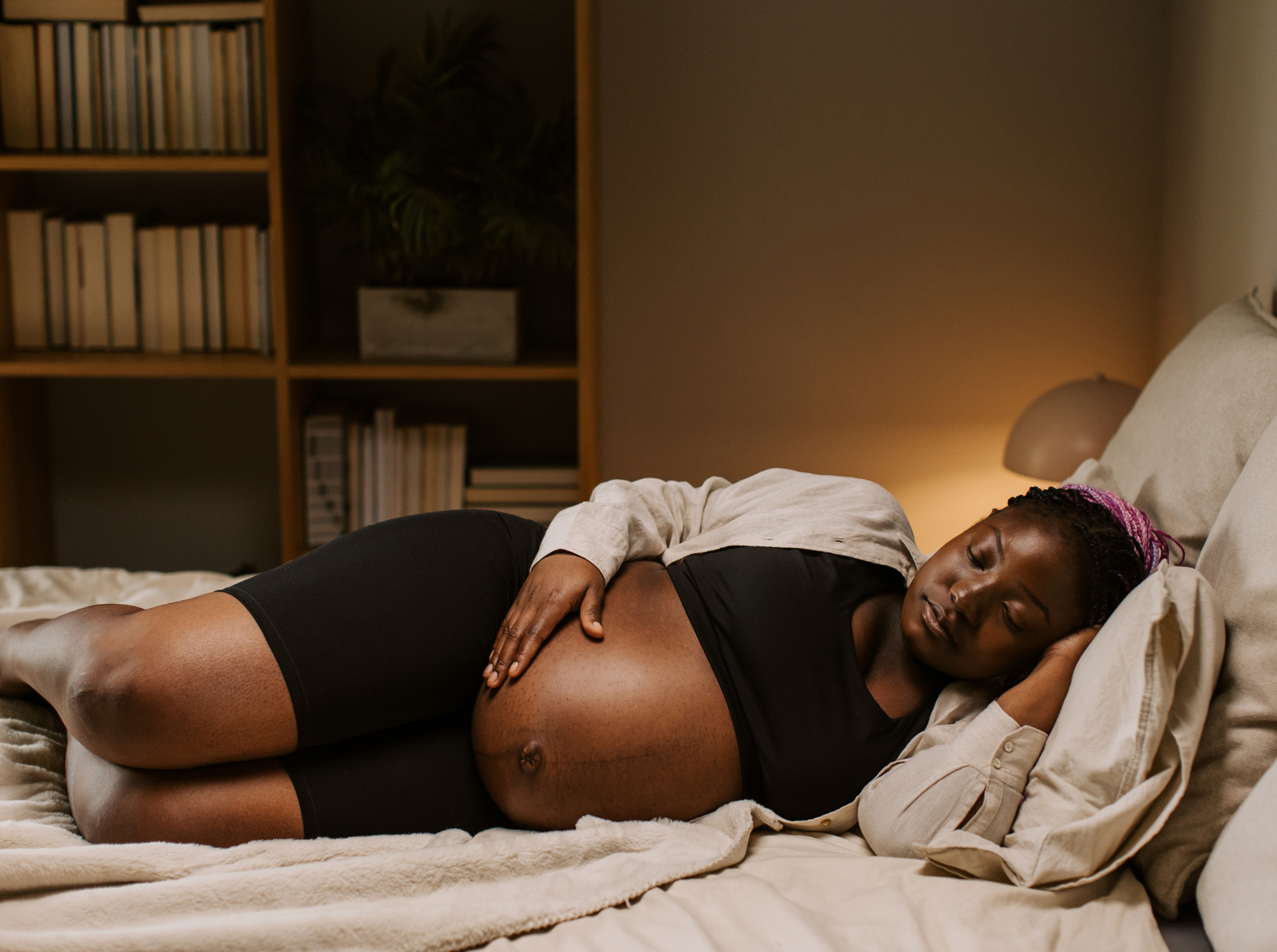
The internet is full of pregnancy advice… and not all of it is good.
Some of it is outdated. Some of it is just plain wrong. And some of it? It can actually be dangerous if you follow it.
So let’s clear a few things up.
These are real myths that labor and delivery nurses hear all the time—and what you actually need to know instead.
“Baby movements slow down at the end of pregnancy”
This one gets passed around constantly—and it’s flat-out a myth.
Yes, your baby is getting bigger. Yes, the type of movement will change.
Early on, you might feel little flutters. Later, it turns into kicks, jabs, and full-body rolls. Toward the end, you might notice fewer big flips as baby settles into your pelvis—but movement should not disappear.
What matters most is your baby’s pattern.
If your baby is usually active in the morning and evening, that pattern should continue—even if the movements feel different.
A change in your baby’s normal movement pattern is something you should never ignore. It’s one of the most important ways we monitor baby’s well-being in pregnancy.
If something feels off, go get checked. Always.
“Epidurals slow down labor”
This one used to be true… kind of.
Older epidurals were heavier. They made your legs feel like bricks, limited movement, and could make pushing less effective.
But that’s not what we’re working with anymore.
Modern epidurals are much lighter and allow for movement in bed, repositioning, and better awareness of pressure during contractions. If they do affect labor, it’s usually by minutes—not hours.
And here’s something people don’t talk about enough:
Sometimes an epidural can actually help labor progress.
If someone is exhausted, overwhelmed, or in so much pain that their body is tensing up, labor can stall. When pain is managed and the body relaxes, things can move forward.
It’s not one-size-fits-all. It’s individual.
And whatever your choice is—epidural or not—you deserve to feel informed, not scared into a decision.
If you want to feel more confident heading into labor (with or without an epidural), this is exactly the kind of stuff I walk through in my birth prep and breastfeeding courses—real-life scenarios, not outdated myths.
“If your water breaks, labor is about to start”
Blame Hollywood for this one.
In reality, only about 10–20% of people have their water break before labor even starts.
And even then, labor doesn’t always kick in right away.
Most people will go into labor within 24 hours—but not everyone. And the longer your water is broken without labor starting, the higher the risk of infection.
So instead of panicking, focus on what actually matters.
Tina teaches the “TACO” method:
Time it broke
Amount of fluid
Color (clear, bloody, greenish)
Odor
And keep an eye on baby’s movements
That’s the information your provider actually needs—not a dramatic rush out the door like in the movies.
“Eating your placenta helps prevent postpartum depression”
This is one of those trends that sounds natural and beneficial—but doesn’t have the science to back it up.
There’s a belief that consuming your placenta (placentophagy) can improve mood, increase energy, boost iron levels, and even prevent postpartum depression.
But major organizations like ACOG and the CDC do not recommend it.
There’s no solid evidence showing real benefits—and there are risks.
The placenta can carry bacteria, including group B strep, and there’s no standardized regulation around how placentas are processed into capsules. That means potential for contamination and infection.
So while you’ll hear a lot of anecdotal “it worked for me” stories, medically speaking, it’s not something that’s recommended.
Why This Matters
Misinformation during pregnancy isn’t just annoying—it can change how you respond to real situations.
Knowing what’s normal and what’s not can:
Help you advocate for yourself
Reduce unnecessary fear
And most importantly, keep you and your baby safe
Final Thoughts
You’re going to hear a lot of opinions during pregnancy.
Some from the internet. Some from family. Some from well-meaning strangers.
But the goal isn’t to absorb everything—it’s to understand what’s actually true and relevant for you.
And if you want to feel more grounded going into pregnancy, birth, and postpartum, having trusted, evidence-based guidance in one place makes a huge difference. That’s exactly what my courses are built for.
Also… if you’re in your pregnancy era and living in comfy clothes (because obviously), my Preggo Buddies merch is very on-brand for the whole journey—practical, cozy, and actually something you’ll wear.
