
Pregnancy Signs You Should NEVER Ignore
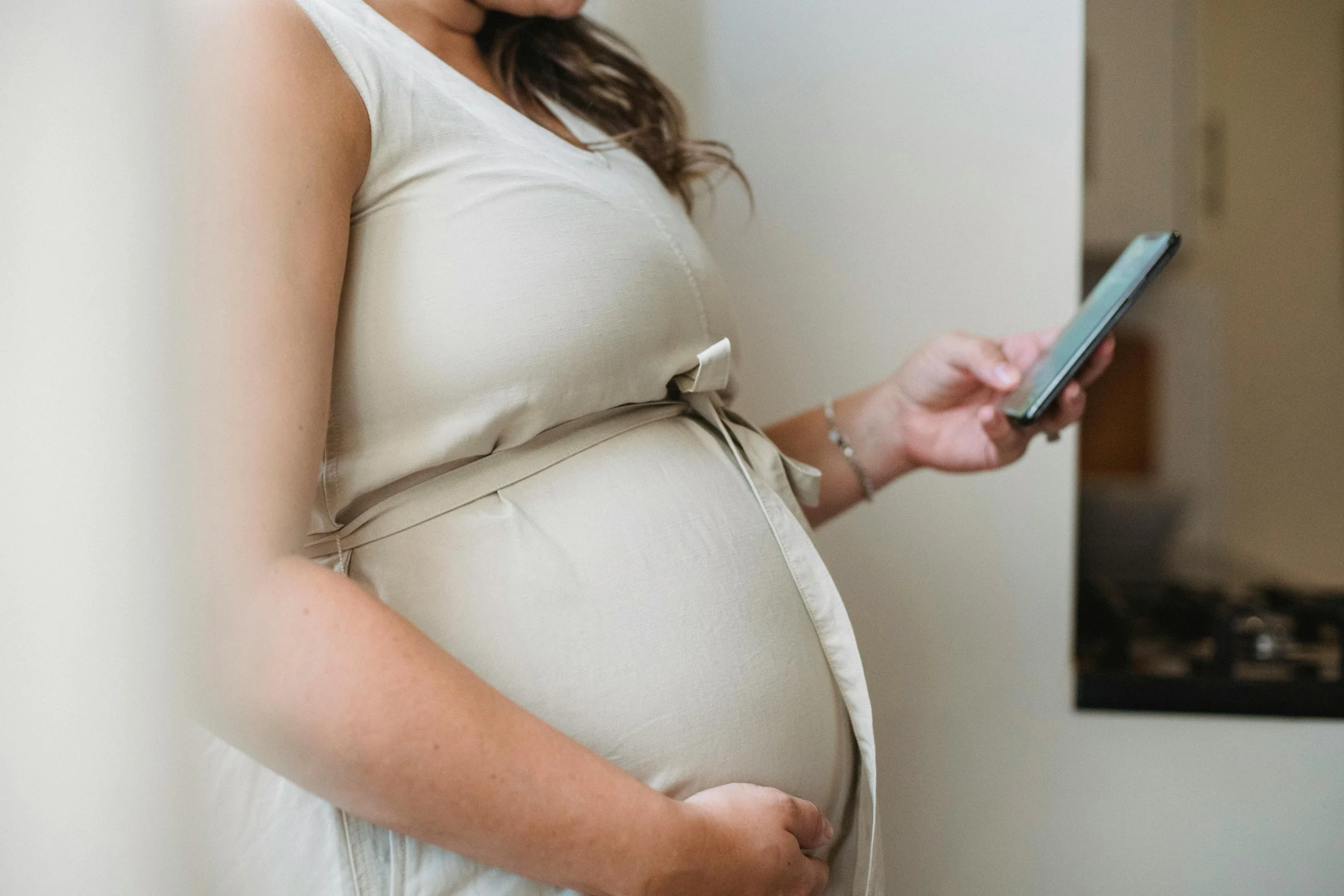
I've been a labor and delivery nurse for a long time now. But I'm also a mom of four. And while I was pregnant, I didn't know about all of these things — and made some choices I probably wouldn't make today.
So here's what you need to know so you don't make the same mistakes.
If you're pregnant and experience any of these things — don't wait. Call or get checked out ASAP.
Let's start with the urgent signs.
1. Changes in Baby's Movement
You'll notice I didn't say decreased fetal movement — because even though that IS a big red flag (do not pass go, get checked immediately), any change in your baby's regular patterns of movement is cause for concern too.
Here's why: You'll start to feel baby movements sometime in the second trimester, depending on which pregnancy this is and where your placenta is located. At first they'll be irregular and erratic, but around 28 weeks they'll settle into a pattern you can actually track — and it's so important that you do.
For example, maybe your baby is most active early in the morning, again at lunch, and then going wild around 7 or 8pm. If you wake up one morning and those movements are slowed or absent — or baby is suddenly thrashing around at 1am when they're usually quiet — get in touch with your provider at minimum, or better yet, go get checked out.
There are free apps like Count the Kicks that make this so much easier. Tracking fetal movement is one of the best indicators of baby's wellbeing while you're pregnant. Go download it.
2. Any Signs of Preeclampsia
If you just said "signs of whaaaat?" — girl, I got you.
Preeclampsia is a condition of pregnancy that can occur after 20 weeks (but usually shows up in the third trimester) that causes high blood pressure and possible organ damage. It can lead to seizures, stroke, and a condition called HELLP. So we do not mess around with this one.
Here are the signs to watch for:
Swelling of the face or hands
A headache that will not go away
Seeing spots or changes in your vision
Pain in the upper abdomen or shoulder
Nausea and vomiting in the second half of pregnancy
Sudden weight gain
Difficulty breathing
Any of these? Proceed right on in to get checked out, please.
3. Bright Red Vaginal Bleeding
We need this one to be crystal clear: you should not be actively bleeding during pregnancy. Any bright red vaginal bleeding — like a period, fresh bleeding — needs to be investigated.
Now, pinkish-tinged mucus is different, especially if you're close to your due date or just had a cervical exam. Brown spotting from old blood is also different. But bright red? That's a get-yourself-in-ASAP situation.
Before you head in, put a pad on. That way the team can see how heavy the bleeding is and track whether it's slowing or continuing. When you arrive, they'll likely put you on the monitor right away and may do an ultrasound to check for any internal bleeding.
4. Signs of Preterm Labor
Please don't ignore this one. Even if you think "it's probably just cramps" — it might not be.
Just so we're on the same page: early term is 37 weeks, term is 39 weeks, and post-term is over 41 weeks. Under 37 weeks is preterm. And contractions earlier in pregnancy often don't feel like the intense, painful contractions you might expect — a lot of people describe them more as cramping.
Sometimes preterm labor will stop on its own (about 3 in 10 times), but it's so important that you're at a hospital with medical staff and a NICU in case it doesn't. Here's what preterm labor can look like:
Mild abdominal cramps, with or without diarrhea
A change in vaginal discharge — watery, bloody, or mucus-like
An increase in the amount of discharge
Pelvic or lower abdominal pressure
Constant, low, dull backache
Regular or frequent contractions or uterine tightening (often painless)
Your water breaking — either a gush or a trickle of fluid
Everyone's situation is different, but the most important thing is: get there.
5. Fever and Vomiting
For someone who isn't growing a human being, a fever and flu-like symptoms might just mean staying home, resting, and enjoying grandma's chicken soup. But if you're pregnant and have a fever and can't keep anything down — this needs attention.
Fever and vomiting can lead to dehydration, which poses a real danger to both you and your baby. Take it seriously if you're experiencing any of these alongside fever and vomiting:
Dehydration: dry mouth, reduced urination, dizziness, excessive thirst
Severe abdominal pain or cramping
Inability to keep any liquids down
A high fever above 100.4°F (38°C) that persists
Reduced fetal movement (after 24 weeks)
Chills, severe headache, or body aches
Difficulty breathing, stiff neck, confusion, or vision changes
6. Falls or Trauma
This is one I find a lot of people don't take as seriously as they should — and I get it, because there's this belief that if there was no direct trauma to the belly, there's nothing to worry about. But that's not quite right.
Baby is generally well cushioned in there. The bigger concern after a fall or accident is the placenta — specifically, the risk of it separating from the wall of the uterus from the force of impact. And that force is still there even if you didn't fall directly on your belly. Everything is connected. The placenta delivers blood, oxygen, and nutrients to your baby via the walls of the uterus and umbilical cord. If that connection is disrupted, so is everything baby needs.
If you fall or are in any kind of accident, get checked out. Your provider will likely want you monitored for 2-4 hours afterward. Better safe than sorry — always.
7. Your Gut Feeling That Something Is Off
And yes — this counts as an urgent warning sign. I always say: I would rather see you and not need to, than need to and not see you. If you feel like something isn't right with yourself or your baby, it is absolutely within your rights to go get checked out.
I know some of you have had bad experiences — being made to feel silly for coming in, or being told you didn't need to be there. And I'm sorry. That's not okay. Reassurance and your health and comfort should be the first priority in any labor and delivery triage space.
When you call triage, here's what to say:
"I am [X] weeks pregnant with my [1st/2nd/etc.] baby"
The time your symptoms started
What symptoms you're experiencing
How you're feeling overall
Any of the urgent signs we covered above
Give them as much detail as you can so they know what to expect when you arrive.
And Then There's This: When Labour Might Actually Be Starting 🎉
Before we wrap up, let's talk about the signs that are expected and not urgent — but do mean it might be your baby's birthday soon!
Contractions Are Getting Regular and Painful
I'm not going to give you a hard "4-1-1" or "5-1-1" rule here, because honestly? Everyone is so different. Someone who's had two vaginal births before should probably spring into action sooner than a first-timer — though not always. And someone who lives an hour away on snowy backroads needs to think differently than someone who's ten minutes from the hospital.
The key is to pay attention. When contractions start becoming more regular and intensifying — even when you're rested, hydrated, and comfortable — start making a plan.
Your Water Breaks
This one is also person-dependent, because you might already have a plan in place with your provider. (And if you don't — please bring it up at your next prenatal appointment!) Some providers want you in as soon as your water breaks. Others, as long as the fluid is clear, just want you to note the time and check in.
Either way, here's what to track:
The time it happened
The amount of fluid
The colour and odour
How baby is moving
And again — put a pad on. It makes it so much easier for the team to confirm if there's any question.
You've got this, mama. Stay informed, trust your gut, and never feel like you're being "too much" for asking questions about your health and your baby's safety. That's exactly what we're here for. 💛
