
Car Seat Tips and Tricks for New Parents: How to Keep Your Newborn Safe on Every Ride
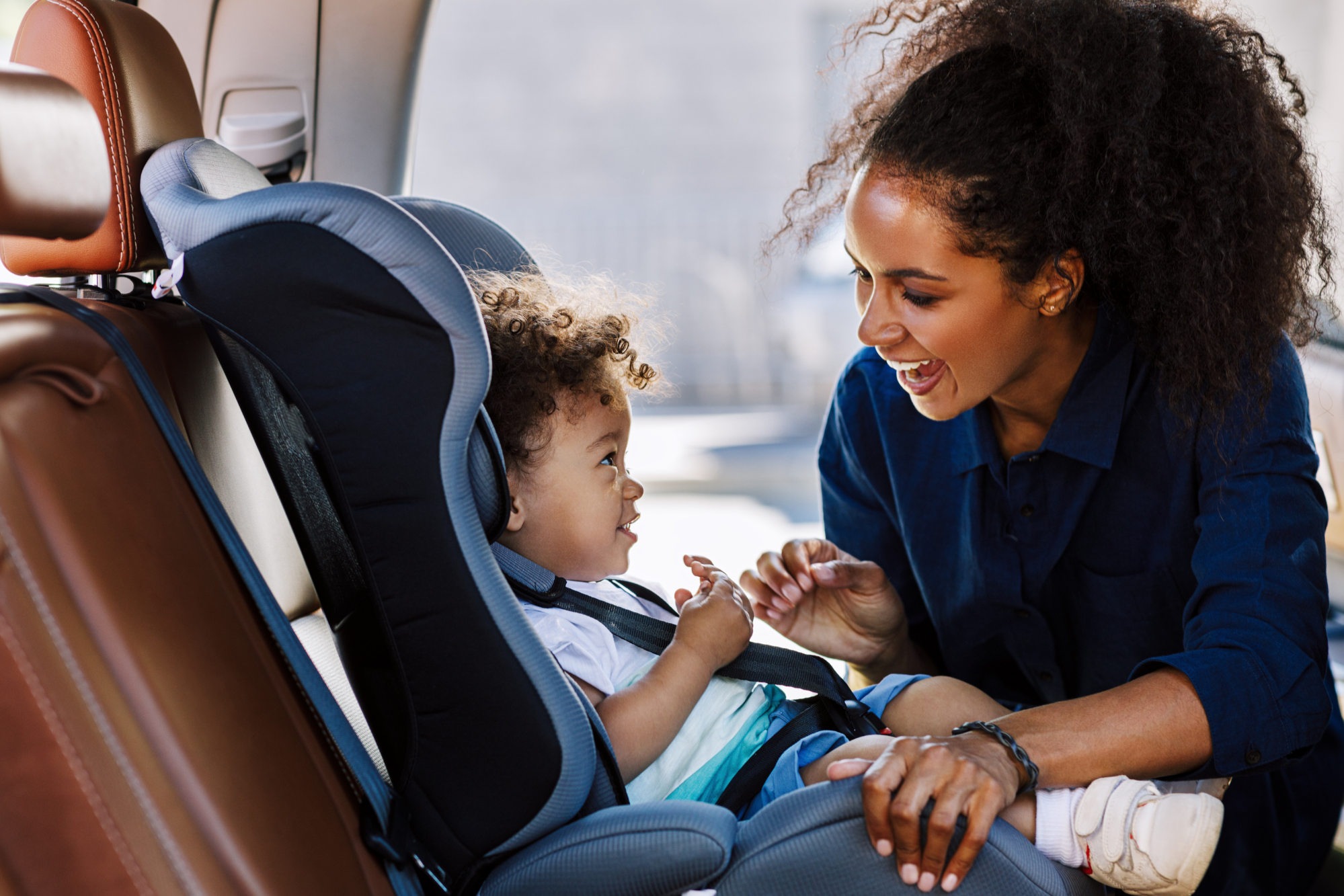
Car seats are one of the most essential pieces of baby gear you’ll use — starting from the moment you leave the hospital.
But they’re also one of the most common areas where new parents need guidance, adjustments, and reassurance.
Getting an infant properly secured takes practice, patience, and a little know-how.
This guide breaks down the car seat basics I teach families before they go home with their newborns. While I am not a certified Child Passenger Safety Technician (CPST), I work closely with families every day and see the same questions and mistakes come up again and again. CPSTs are the true experts, so I’ll share reputable resources where you can get more support — but if you’re looking for a clear, approachable walkthrough, you’re in the right place.
Start by Getting Familiar With Your Car Seat
This sounds simple, but it’s the step most people don’t take until the very last minute: get to know your car seat before you ever put your baby in it.
Here’s what to do:
Take it out of the box (yes, I’ve seen brand-new packaged seats arrive at the hospital!).
Install the base in your vehicle if your infant seat has one.
Locate the manual and actually read it. Every seat is different, and the manual gives instructions specific to your model.
While you’re getting familiar with it, take note of:
1. Country Certification: Your seat must be certified for use in the country you live in. Canada and the US have different standards and symbols, so double-check your sticker.
2. Local Laws & Guidelines: Car seat laws vary by country, province, and state. Make sure you’re following the rules where you live.
3. Expiration Date: Yes — car seats expire. Materials break down over time, and safety standards change. If you’re using a hand-me-down or keeping a seat from an older sibling, confirm it’s still within the expiry window.
(As a mom of four, I passed ours down too — but not before checking.)
Understanding the 5-Point Harness
Infant car seats use a 5-point harness system, which provides the best protection when fitted correctly. The harness includes:
Two shoulder straps
Two hip straps
One crotch buckle
Every seat has its own weight and height limits, so make sure your baby hasn’t outgrown their seat.
Adjusting the Shoulder Straps Correctly
This is one of the biggest areas where I have to make corrections for new parents.
For rear-facing newborns: Shoulder straps should come from at or below the level of your baby’s shoulders.
Most newborns will use the lowest slot available. Forward-facing seats follow different rules, but that’s for much later.
How to Secure Your Baby in the Car Seat: Step-by-Step
1. Loosen the straps and position the handle: If your seat requires the handle to be back for loading, move it to a stabilized position.
2. Gently place your baby in the seat: Support the neck and bottom, sliding baby so their back and bum are completely flush with the seat.
3. Position the straps
Bring shoulder straps over the shoulders.
Bring hip straps over the top of the thighs.
4. Buckle the crotch buckle: Ensure you hear the click.
5. Buckle the chest clip: If your seat has one, this comes next.
6. Remove slack: Pull the slack from the legs first, then tighten the harness while keeping baby positioned correctly against the back of the seat.
7. Adjust the chest clip: It should sit at armpit level — not on the belly and not up by the neck.
8. Perform the pinch test
Try to pinch the strap at the shoulder.
If you can pinch extra fabric, it’s too loose.
Tighten until the strap slides out from between your fingers — that’s when you know the harness is snug enough.
Check baby’s head position
Your newborn’s head should not fall forward with their chin to their chest — this is dangerous for their airway. If this happens, take them out, readjust, and start again. Side-to-side movement is normal; forward slump is not.
A Crucial Rule: Don’t Add Anything That Didn’t Come With the Seat
If the accessory, insert, or padding didn’t come with your car seat, it hasn’t been crash-tested with your model. That includes:
Head supports
Shoulder pads
Harness covers
Car seat strap cushions
Extra padding or inserts
These items can interfere with how the harness tightens, how your baby sits, or how the seat performs in a crash. They can also become projectiles. Stick to what came in the box.
Winter Coat Warning (Especially Important in Cold Climates!)
Living in Canada, I completely understand wanting babies to be warm. But bulky coats or snowsuits should never go between your baby and their harness.
Here’s why:
Puffy material compresses in a crash.
This leaves dangerous space between your baby and the straps.
The harness will suddenly be far too loose to protect them.
Instead:
✨ Buckle your baby into the seat without a coat.
✨ THEN place a warm blanket or car seat cover over the harness.
They’ll be perfectly warm — and safely strapped in.
Looking for More Support?
Child Passenger Safety Technicians (CPSTs) are incredible resources. They offer hands-on guidance, help you install your seat, and ensure everything fits your baby correctly.
Check Canadian and US organizations to find a CPST near you, or follow reputable CPSTs online for visuals and demonstrations.
For more evidence-based newborn care tips, keep an eye on the rest of my baby care series.
