
Is Labor Near? How You Can Tell
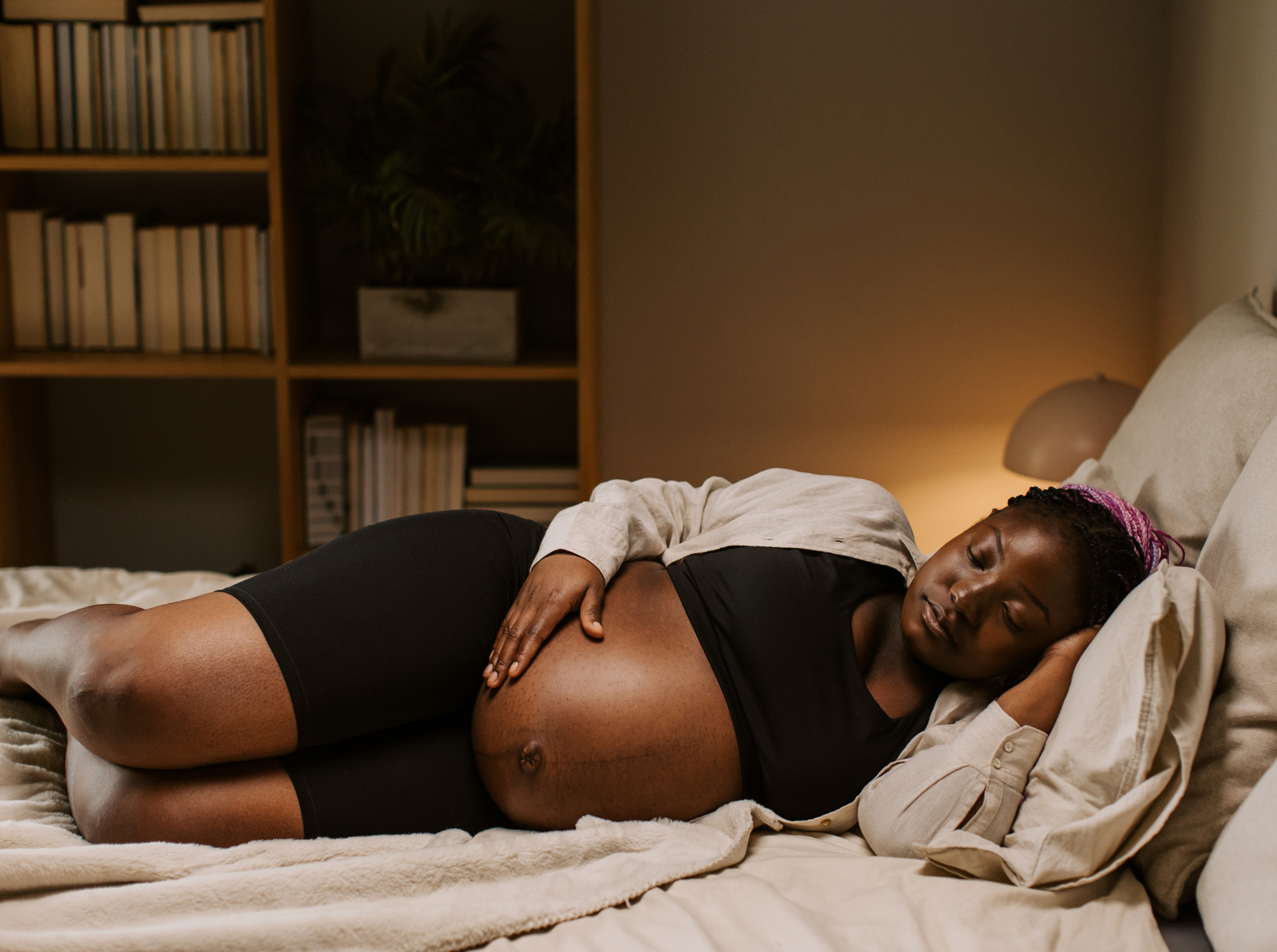
As your body gets closer to labor, it can start doing some pretty wild things. A lot of people don’t talk about these changes, but many pregnant women describe experiencing them in the days or weeks before labor begins.
Before we start, an important disclaimer: everyone is different. Some people notice very specific signs and have a baby in their arms shortly after. Others experience several of these changes and then… nothing happens for quite a while. All of it can be normal.
So let’s talk about some of the things your body might do as it gets ready for labor.
What’s happening before labor starts?
When labor begins, your cervix is changing — dilating and thinning. But before active labor kicks in, there are often signs that your body is preparing behind the scenes.
Not everyone experiences these, and not everyone experiences them in the same way.
Common Changes People Notice Before Labor
Lightening (Baby Dropping)
Lightening is when your baby drops down into your pelvis and starts to engage.
You might notice:
More pressure in your lower abdomen
Needing to pee more often
Feeling like you need to poop more often
Breathing feels a bit easier
Your belly looks lower than before
You won’t necessarily know that baby has dropped, but these are some of the sensations people commonly report.
Increased Vaginal Discharge or Bloody Show
Vaginal discharge is normal throughout pregnancy. But toward the very end, some people notice:
More discharge than usual
Clear, mucusy discharge
Slightly pink-tinged discharge
This can be bloody show, which happens when the cervix starts doing small amounts of change. Tiny tears in the cervix can cause pink or reddish strings in the discharge.
If you experience bright red bleeding, similar to period blood, you should contact your provider and get checked.
Nesting
Nesting is that sudden, intense urge to clean and organize.
For many people, this looks like:
Lots of laundry
Cleaning and folding
Organizing
Cleaning baseboards
There’s no clear scientific explanation for nesting. Some people think being on hands and knees may help baby get into a good position, but that’s not confirmed. Many people nest intensely and still feel unprepared once labor actually starts.
Losing Your Mucus Plug
During pregnancy, a thick mucus plug forms at the cervix. When the cervix begins to change, that plug can come out.
Important things to know:
You might see it, or you might not
Some people never notice losing it
It can happen all at once or gradually
It can regenerate
Losing your mucus plug does not mean labor is starting right away. It could be hours, days, or even weeks later.
If this happens before 37 weeks, let your provider know. And no — you do not need to bring it with you to the hospital.
Signs Labor Is Happening or Very Close
Labor Contractions
True labor contractions cause cervical change. These contractions:
Become stronger over time
Become more regular
Depending on the plan you’ve made with your provider, this may mean laboring at home or coming in to be checked.
Before true labor contractions start, many people experience Braxton Hicks contractions, also called practice contractions. These can be annoying, especially if they’ve been happening for weeks, but they are helping your uterus get ready.
Water Breaking
Not everyone’s water breaks before labor starts. Only a small percentage of people experience this.
If your water does break:
Labor may not start immediately
Many people go into labor within 24–48 hours
Once your water breaks, there is more risk of infection the longer baby remains inside, so it’s important to:
Note the time
Notice the color, amount, and odor
Pay attention to baby’s movements
Then contact your provider so you can make a plan together.
Other Things Some People Notice
These don’t happen to everyone and aren’t consistent across the board, but many people report them.
Lower Back Pain: Pain may worsen in the lower back and radiate toward the front of the abdomen. Ligaments are loosening for labor, and if baby has dropped, that can add more strain to the lower back.
Diarrhea: Hormones called prostaglandins help prepare the cervix for labor, but they can also relax other parts of the body. This can lead to diarrhea. Nausea can also return around this time.
Fatigue: Feeling more tired late in pregnancy is very common, especially with nesting, physical discomfort, and carrying extra weight.
Weight Plateau or Slight Drop: Some people notice their weight plateaus or drops slightly. This can happen due to changes in appetite, nausea, diarrhea, increased urination, or changes in fluid levels.
The Most Important Thing to Remember
Every pregnancy is different.
If something feels off, confusing, or concerning — or if you don’t know what a symptom means — reach out to your provider or go in to be checked. Providers would always rather see you and not need to than need to see you and not have you come in.
