
Black Women Are Three Times More Likely to Die During Childbirth. Let’s Talk About It.
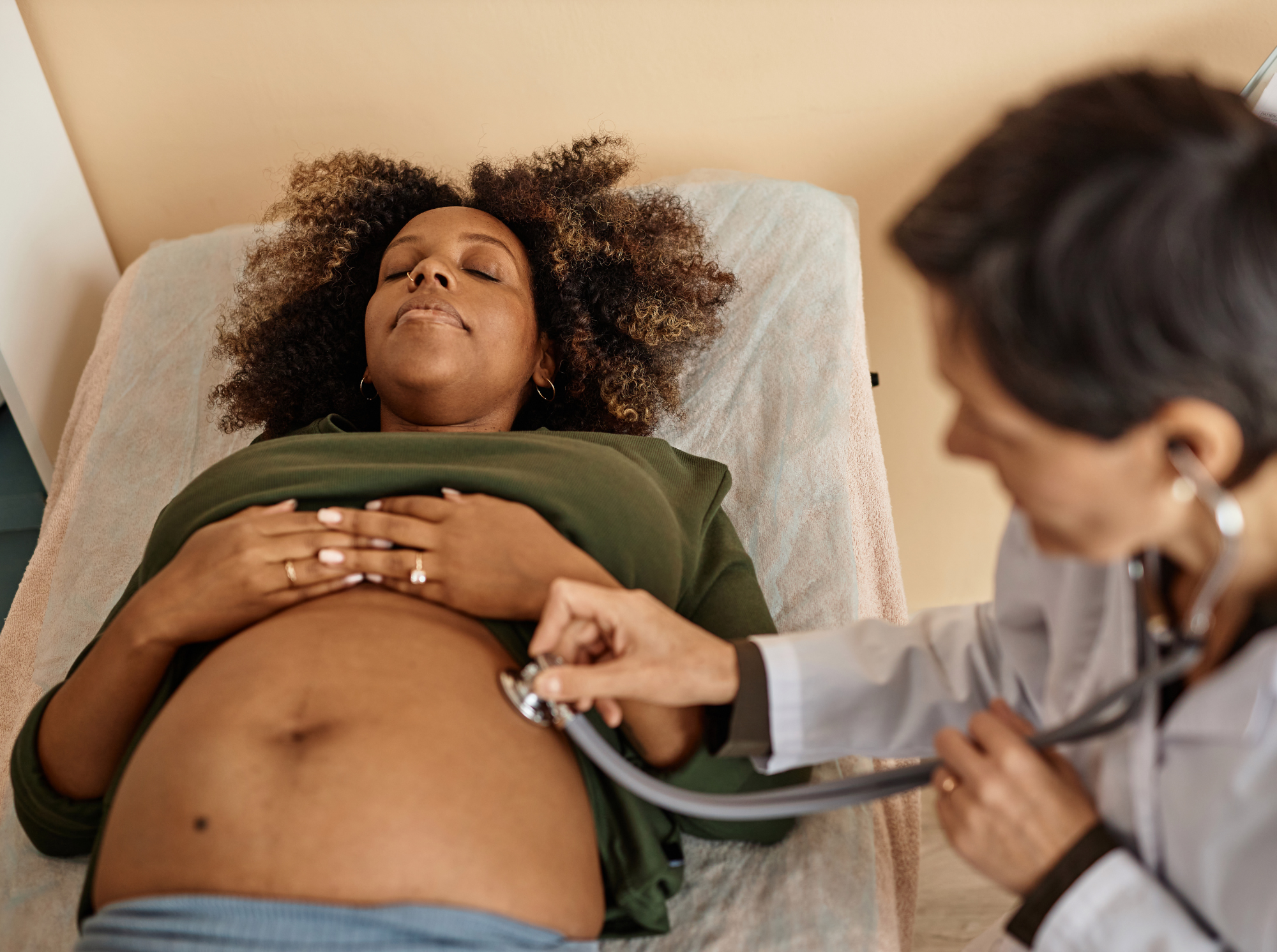
Three times.
If you are Black and pregnant, you are three times more likely to die during childbirth than someone like me.
That’s not an opinion. That’s a fact.
And it’s something we need to keep talking about.
Recently, countless stories have surfaced of Black mothers being dismissed, ignored, not believed, or treated poorly during pregnancy, birth, and postpartum care. These stories may feel “new” because they’re circulating widely on social media—but the reality is, this has been happening for years. Decades. Generations.
And now, as we move through 2025 and toward 2026, Black women are still three times more likely to die during childbirth than their white counterparts.
As a white content creator, I feel a responsibility to keep this issue front and center—not just when a video goes viral, not just while engagement is high, but consistently. We cannot let this conversation fade once the algorithm moves on.
I am deeply grateful to the women and families who have shared their experiences, despite how painful and traumatic it must be to relive them. Their voices matter. Their stories matter. And they should never have had to experience what they did in the first place.
So why is this still happening?
The answer is layered. And it requires context.
The Historical Context We Cannot Ignore
There is a deep and justified distrust of the healthcare system among Black communities, rooted in systemic racism and inequality.
The foundations of modern gynecology in the United States were built on the non-consensual experimentation of enslaved Black women. These women were operated on against their will, under the racist myth that Black people had a higher pain tolerance and therefore did not require anesthesia.
Let that sink in.
At the same time, white male physicians seeking to professionalize obstetrics systematically devalued and vilified Black midwives and healers, despite the fact that they had been providing skilled, effective care in their communities for generations.
Historically, the bodies of Black women were treated as commodities—valued for what they could produce, not as individuals deserving dignity, autonomy, or care.
This history matters. It is not “in the past.” It informs the systems we are still navigating today.
Medical Risk Is Higher—And Care Is Often Delayed
On top of this historical backdrop, Black women experience higher rates of pre-existing chronic conditions such as high blood pressure and heart disease. During pregnancy, they also have higher rates of:
Preeclampsia
Gestational hypertension
Gestational diabetes
These conditions often present earlier and more severely, making pregnancies higher risk from the start.
Yet despite this increased risk, Black women are more likely to have their symptoms dismissed, overlooked, or minimized.
They are more likely to be labeled as “aggressive” when advocating for themselves.
They experience delays in diagnosis.
And even after diagnosis, they experience delays in treatment.
This is especially dangerous postpartum, where Black women experience disproportionately high rates of severe complications. When a new mother says, “I don’t feel right” or “Something isn’t wrong,” and that concern is ignored, the consequences can be devastating.
We have seen this happen again and again.
Barriers to Access Make Everything Worse
Black women are more likely to live in areas with limited access to high-quality prenatal care—even when they have health insurance.
Many deliver in hospitals with fewer resources or live in maternal deserts: counties or regions with no obstetrical providers, no midwives, and no OB-GYNs.
This leads to delayed prenatal care, fewer opportunities for monitoring, and reduced access to early intervention when something begins to go wrong.
Accounts and Organizations Doing the Work
There are incredible, advocacy-centered, evidence-based voices who continue to push this conversation forward. These women have taught me so much and continue to inspire me to do better:
Frances
Dr. Bayo
Dr. Ashley Jeans
The Black OBGYN Project
Nurse TikTok
(These are accounts worth following, learning from, and amplifying.)
Most Pregnancy-Related Deaths Are Preventable
Here’s the part that should stop us all in our tracks:
More than 80% of pregnancy-related deaths are preventable.
So while the responsibility for fixing this should never fall on Black mothers alone, here are practical steps that may help protect your safety within a system that still has work to do.
Advocacy Tips for Black Moms
Build a Supportive Birth Team Early
If accessible, consider a culturally aligned doula. Continuous labor support can make a significant difference.
Seek providers known for equitable care.
Include friends or family members who are prepared to speak up if you cannot.
Ask Direct Questions
Examples include:
“How do you ensure Black women receive equitable care?”
“How do you handle concerns about pain?”
“How will you communicate with me in an emergency?”
“What is your C-section rate?”
Create a Birth Plan With Communication Boundaries
Include statements like:
“I want all options explained with risks and benefits.”
“Speak to me clearly and directly.”
“If I ask for a pause, please give me one unless it’s medically necessary to proceed.”
This isn’t just about preferences—it’s about clarity and respect.
Document Everything
Write down symptoms, when you reported them, and how they were addressed.
If accountability becomes necessary, records matter.
If you are not being heard, say this clearly:
“I am concerned about my safety. I would like this documented in my chart.”
If needed, ask for the charge nurse and say it again.
Know the Symptoms That Should Never Be Dismissed
During pregnancy and postpartum, concerning symptoms include:
Sudden swelling of the face, hands, or feet
Persistent headache
Vision changes
Right upper abdominal pain
Chest pain or shortness of breath
Changes in baby’s movement
Vaginal bleeding
If something feels wrong, trust that instinct.
Prepare Advocacy Scripts
Stress can make it hard to speak up. Scripts can help:
“I hear you, but I’m still concerned.”
“My symptoms have changed. I need to be reassessed.”
“I want my support person involved in this discussion.”
Protect Yourself Postpartum
Ask before discharge:
What symptoms should prompt immediate care?
Who do I contact if something feels wrong?
Can I follow up sooner than six weeks?
Postpartum preeclampsia is real. Heavy bleeding, large clots, chest pain, shortness of breath, or neurological symptoms all require immediate evaluation.
This Conversation Cannot End Here
If I missed something, or if you have additional insight or lived experience to share, please add it to the conversation. The more we talk about this, the harder it becomes to ignore.
This piece is dedicated to Black mothers who were dismissed, not believed, or denied dignity and respect during pregnancy or childbirth. I am deeply sorry.
It’s time for healthcare systems to confront implicit bias, improve access, and deliver patient-centered care that meets the real needs of Black women and families.
Please share this widely. Keep the momentum going.
Supportive Organizations
References & Further Reading
Maternal Mortality in the U.S Declined, though Disparities in the Black Population Persist
Insights into the U.S. Maternal Mortality Crisis: An International Comparison
Working Together to Reduce Black Maternal Mortality | Women’s Health | CDC
The Controversial Birth of American Gynecology - Research Blog
Racism, Medicine, and NEJM since 1812 — The Historical Roots of Injustice in Medicine, Symposium 1
