
Breast Pump FAQs (Part 2): High Suction Settings, Nipple Damage, “Hospital Grade” Truth + Haakaa Oversupply
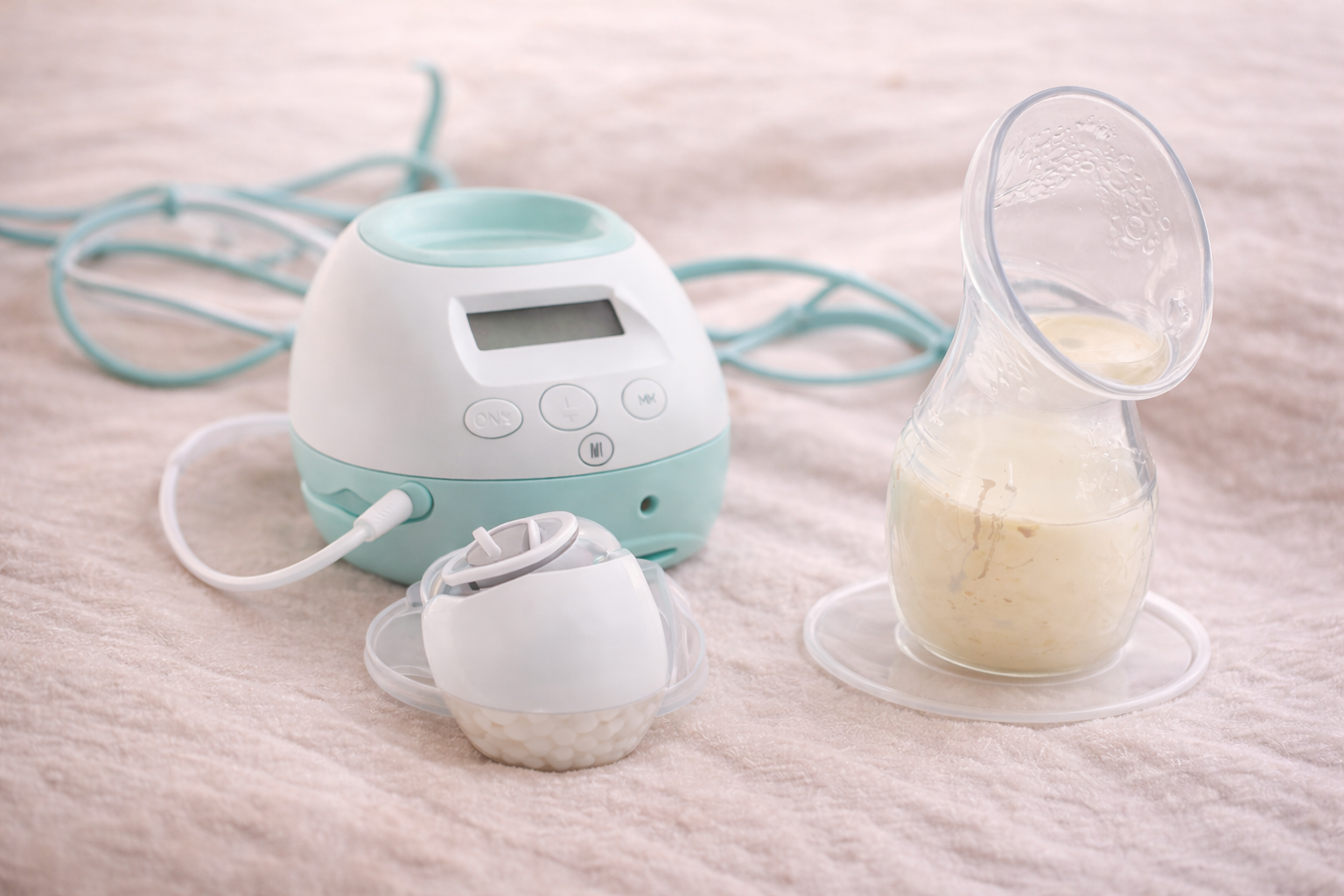
Should you pump on max settings? How do you protect nipples and maintain supply? What does “hospital grade” really mean, and can Haakaas cause oversupply?
You asked more pump questions, so here we are — Part 2 of breast pump-palooza.
This read is best combined with our Boob Better: Breastfeeding 101 course
1) Will using a Medela Symphony on the highest setting give the most output?
I want to gently but clearly advise against the “max suction = max milk” mindset.
The goal of pumping is not to hit an all-time high score on suction.
A better rule: Use the highest suction setting that is still comfortable.
Why? Because if pumping hurts, you’re likely to:
shorten your sessions
avoid pumping
remove less milk overall
And less milk removal = less stimulation = supply can suffer over time.
So: comfortable and consistent beats painful and powerful. Every time.
2) How do I keep pumping (and protect supply) if I have nipple damage?
First, treat nipple damage like a clue — it usually means something needs adjusting.
Reduce pain/damage at the source:
Re-check flange size
Use lubrication (a tiny amount of olive oil, coconut oil, or a pumping spray)
Lower suction if it’s too intense
Make sure you’re using settings properly (don’t switch to expression too early, don’t stay in stimulation forever)
Avoid long sessions — pumping longer than 20–30 minutes can cause irritation and damage
Support healing:
Many people love silverettes for prevention and healing
Use a nipple balm/lanolin if it works for you
Hypoallergenic lanolin (ex: Lansinoh) is a common option
Earth Mama balm is a popular non-lanolin option
You can also express a few drops of breastmilk on nipples and let air dry
The key is both:
heal the tissue, and
fix what caused the damage so it doesn’t keep happening.
3) Should I get my nipples measured for flange size?
Yes. Absolutely.
Most pumps come with “standard” flanges that are often larger than what many people actually need — and flange size can strongly impact both comfort and output.
Many people end up fitting smaller sizes than what comes in the box. It’s very common to land in a smaller range than 24/28mm, which is why measuring (or being fitted) is so helpful.
If pumping feels uncomfortable, output is low, or nipples rub/swelling happens, flange sizing is one of the most powerful fixes.
4) My insurance gives me an Ameda pump. Is it hospital grade? Should I get a Spectra?
Here’s a helpful truth: the phrase “hospital grade suction” is not regulated as a strict medical term in the way many people assume. It’s often used in marketing.
A true hospital-grade setup is typically a multi-user pump, where:
a shared motor is used (like in NICUs/postpartum units)
each person has their own closed kit that touches milk
Ameda does make true multi-user pumps, but that may or may not be what your insurance is providing.
When comparing pumps, two practical specs to look at are:
Suction strength
Cycle speed (suck/release cycles per minute)
And beyond specs: choose the best quality pump that is affordable and realistic for your lifestyle.
If navigating insurance is overwhelming, some parents use services that help coordinate coverage (especially in the US).
5) Can Haakaas or passive silicone pumps contribute to oversupply?
They can — but it’s less about the Haakaa itself and more about how it’s used.
Silicone collectors differ from electric pumps because they create constant suction, which is not how a baby naturally feeds.
If used for long periods or frequently:
they can irritate skin
and yes, they can increase supply by removing milk more often
But here’s the key: Any method that removes more milk more often can increase supply — electric pumps included.
How to use them more gently:
If you’re just catching drips, use a passive collector (or use a Haakaa with little/no suction)
If you use suction on the opposite breast every feed, treat it like pumping — because it is still stimulation
The goal is intentional use, not accidental oversupply.
