
What to Actually Pack in Your Hospital Bag
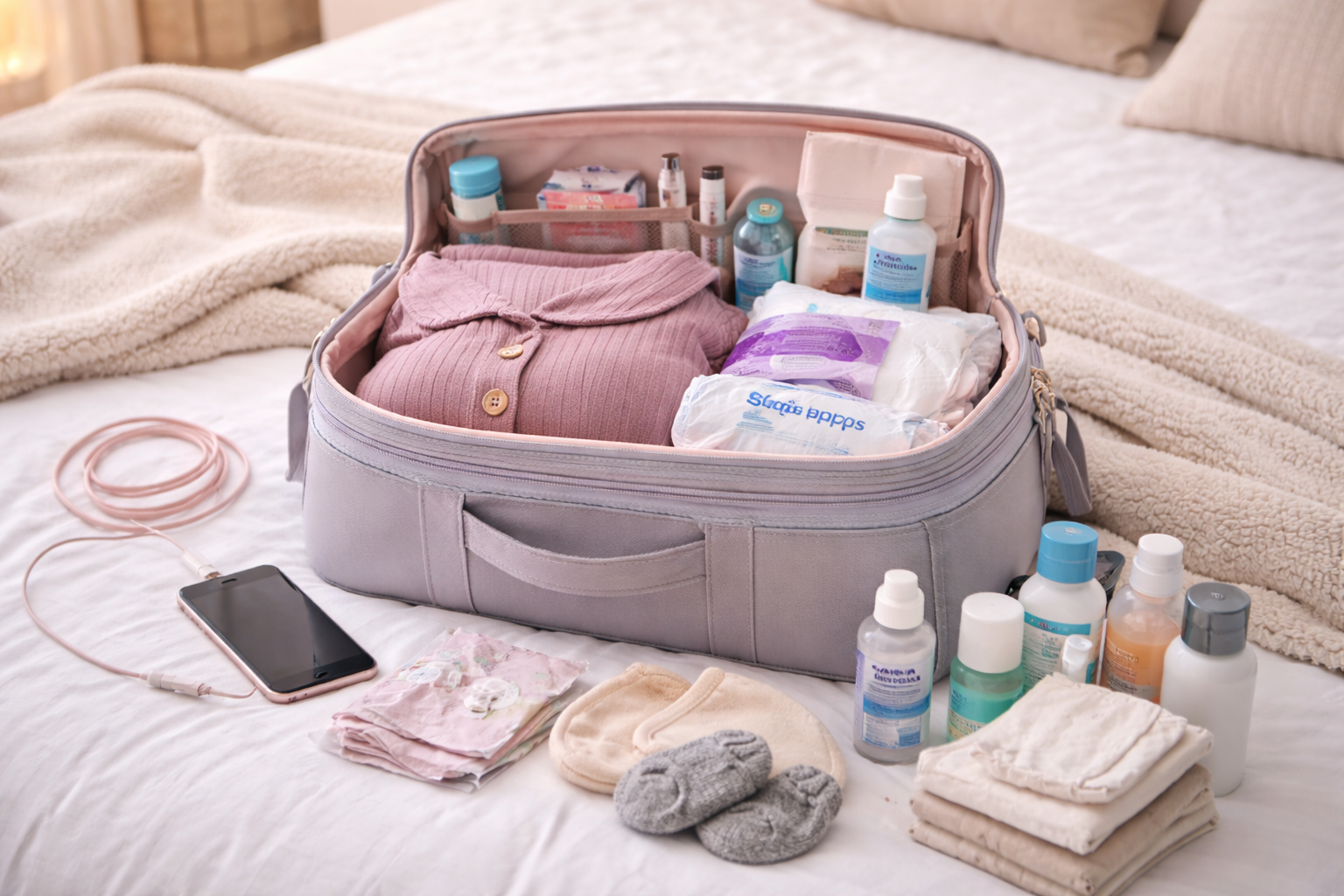
Hospital bag checklists online are getting a little out of control.
I’ve seen people show up to the hospital with full suitcases, only to realize they never touched half of what they packed.
So if you’re wondering what you should actually pack, here are five hospital bag essentials that consistently get used, plus a few things you can confidently skip.
As a labor and delivery nurse, I see hospital bags every single day. And there are a handful of things new parents pack that get used every time — plus a few items that almost always stay untouched.
1. A Long Phone Charger
If there’s one thing that gets used 100% of the time, it’s a phone charger.
We rely on our phones for everything during labor and after birth:
Taking photos and videos
Playing music during labor
Updating family and friends when baby arrives
And you would be surprised how many parents panic when their phone dies.
The key tip here? Bring a long charger.
Hospital outlets are often far away from the bed or hidden behind the headboard. A standard short charger will leave your phone dangling halfway across the room.
A long charger cord means you can keep your phone within reach while resting, laboring, or feeding your baby.
Trust me on this one.
2. Comfortable Postpartum Pajamas (or a Labor Gown)
Once the birth is over and the excitement settles down, your focus shifts to recovery, bonding, and feeding your baby.
Having something comfortable to wear makes a huge difference.
Most parents bring either:
Comfortable pajamas, or
A labor gown
Both are great options.
If you’re bringing pajamas, a few things help:
Button-down tops make skin-to-skin and breastfeeding easier
Loose, stretchy bottoms are more comfortable for postpartum bodies
Dark colors are helpful since postpartum bleeding is normal
Many parents even use their comfy pajamas as their going-home outfit, which means packing less overall.
And remember: if you had a C-section, you’ll want something loose that doesn’t press against your incision.
Comfort is key here.
3. Basic Toiletries
That first postpartum shower? Absolute magic.
Toiletries are another category that almost everyone uses. Some parents pack full skincare routines. Others keep it simple.
Either way, the essentials usually include:
Toothbrush and toothpaste
Shampoo and conditioner
Face wash
Moisturizer
Chapstick
Deodorant
Hospital air is incredibly dry, and after hours of labor (and a lot of mouth breathing), your mouth can feel pretty unpleasant.
Brushing your teeth afterward can make you feel like a brand new human.
Even if you can’t get out of bed yet — like after a heavy epidural or C-section—you can still brush your teeth with a cup of water and a basin.
It’s a small thing, but it makes a big difference.
4. Postpartum Comfort Supplies
Your body just did something incredible — and your postpartum recovery area deserves some care.
Hospitals usually provide basics like:
Pads
Mesh underwear
Disposable bed pads
But many parents prefer to bring their own comfort items.
Popular ones include:
Witch hazel pads
Perineal foam
Dermoplast spray
More comfortable pads or disposable underwear
Some parents even build what I jokingly call a “postpartum sandwich pad” with layers of comfort products.
If you have a vaginal birth, these can make a big difference in comfort.
And even if your baby arrives via C-section, your body may still feel swollen or sore in the pelvic area if labor started first.
5. A Few Baby Essentials
You don’t need to pack a whole baby wardrobe.
In fact, most of the time in the hospital your baby will be skin-to-skin, which is great for:
Bonding
Temperature regulation
Breastfeeding
But there are a few baby items you will definitely use:
Going-home outfit
Blanket for the car seat or photos
Car seat
Some parents also bring their preferred diapers and wipes, especially if they like a specific brand.
Hospitals usually provide diapers, but the type can vary. Some hospitals use cloth diapers and simple wipes you wet under the tap.
So if you have a preference, it’s okay to bring your own.
Things You Can Leave Out of Your Hospital Bag
Now let’s talk about a few things that almost always stay packed and unused.
Too Many Baby Outfits
Your newborn does not need a fashion show in the hospital.
One going-home outfit is usually plenty.
Heavy Snacks or Full Meals
Snacks are great for early labor, but large meals or bulky snack bags often go untouched.
If you bring snacks, keep them light and easy to digest.
Too Many Clothes
You likely won’t need:
Three outfit changes
Eight pairs of socks
A robe and a housecoat
Fancy lingerie or thongs
Most vaginal births involve about a 24-hour hospital stay.
C-sections usually mean 2–3 days.
Pack for comfort, not a vacation.
The Car Seat Box or Base
Just bring the car seat when you leave the hospital.
The base should already be installed in the car.
Expensive Jewelry or Cash
Hospitals are busy places. It’s safest to leave valuables at home.
The Bottom Line
You don’t need a giant suitcase to prepare for birth.
A simple hospital bag with a few thoughtful items can make your stay far more comfortable.
Focus on:
A long phone charger
Comfortable postpartum clothing
Basic toiletries
Postpartum comfort supplies
A simple outfit for baby
Everything else is just extra. And remember — most hospital stays are short, but the memories you make during that time last forever.
